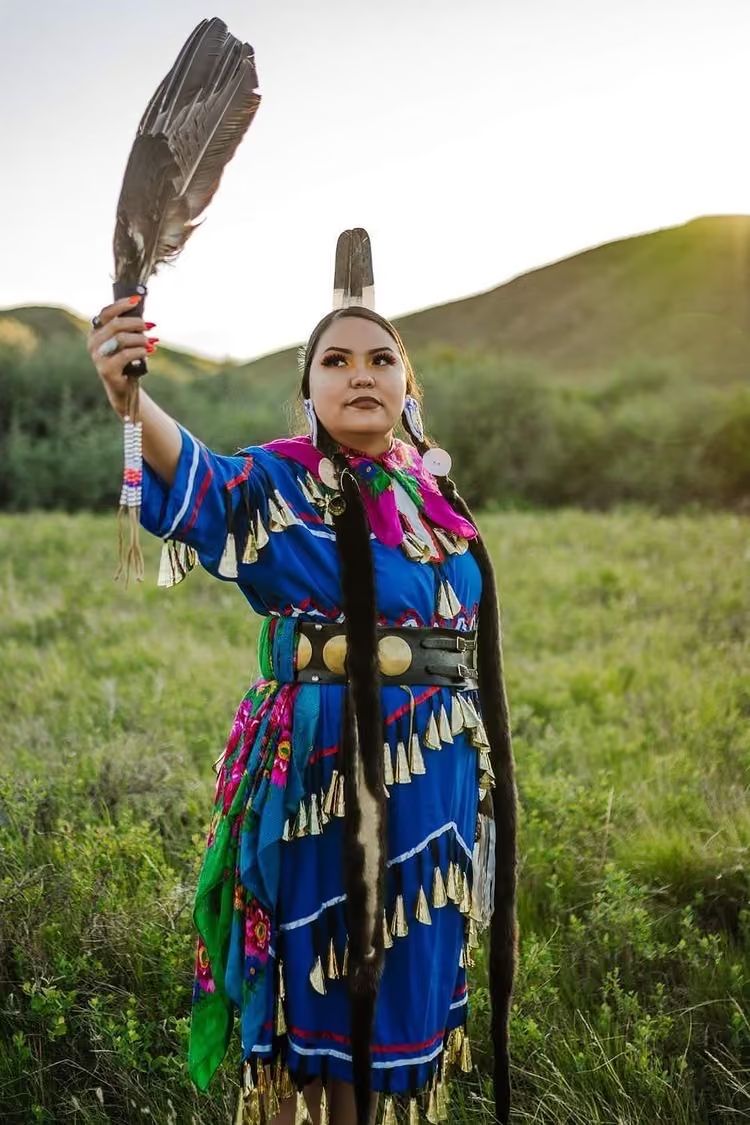
Healing herself, her ancestors, and those who watch her Jingle Dance.
“Once I hear the downbeat of the drum, the song takes over me. I feel close to my ancestors, like my spirit is floating." - Josie Saddleback
At an Indigenous market in summer 2021, Josie Saddleback was drawn to a beautiful jingle dress full of reds, turquoises, oranges, and yellows, with pockets that could hold her medicine and crystals. When the dress fit like a glove, she knew jingle dancing found her. She practiced consistently, purchased her second dress the following December, and now jingle dances in Medicine Hat and across Alberta.
“I feel very grounded and proud of who I am when I dance. It doesn’t matter if one or 100 people are there; it’s the same feeling every time," she says.
The jingle dress is a prayer of medicine dance to help afflicted people, and Saddleback feels she's completed her purpose as a Nehiyah Cree woman when she dances in hers. A part of her heals, and she passes on the healing energy onto those watching through the grounds she dances on.
“Once I hear the downbeat of the drum, the song takes over me. I feel close to my ancestors, like my spirit is floating. I’m carrying their spirits with me, their presence, and I’m keeping their memories and cultural teachings alive, and making them proud," she says.
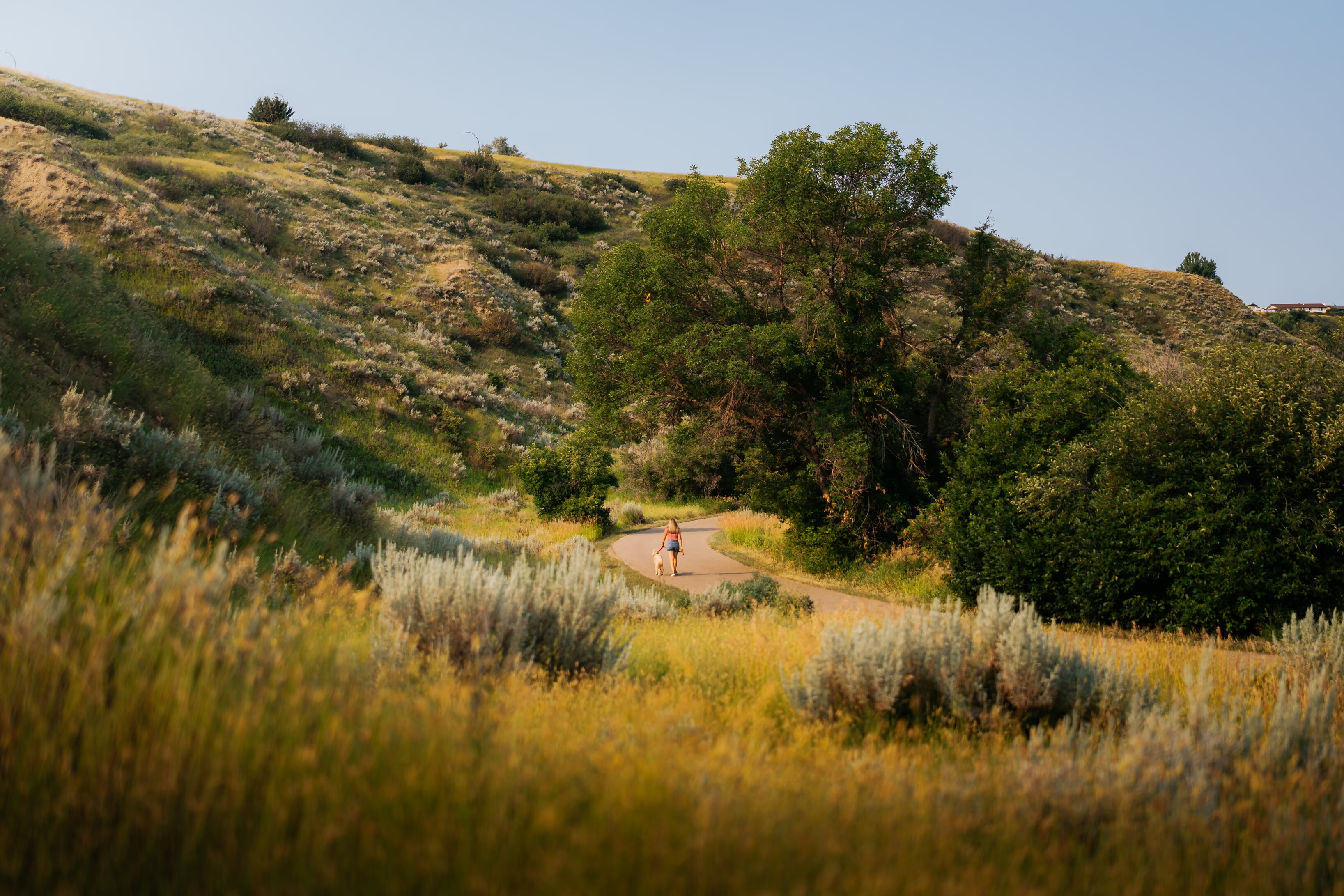
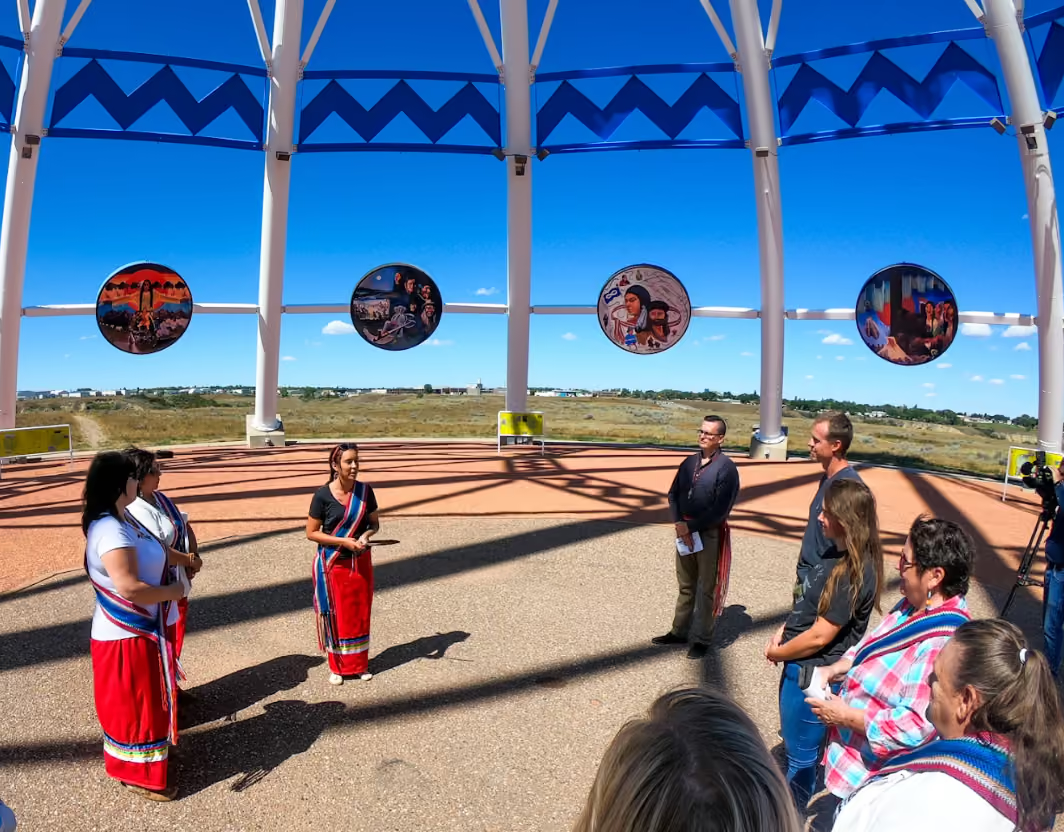
Saddleback, whose Cree name is "White Bear Woman," has jingle danced in Medicine Hat and beyond since 2021. She's danced in front of the 215-foot-tall Saamis Tepee and underneath the sunshine in Kin Coulee Park, and in front of students at local schools.
The dancer is also an artist and owns Saddleback Stones. She drives the prairie roads in the summer and stays in the city to attend markets and sell her handmade rings, earrings, necklaces, and keychains.
“The markets are so welcoming. I feel at home, doing what I love, and creating art while making friends at the same time.”
When she was younger, Saddleback and her family would attend ceremonies, feasts, round dances, tea dances, sun dances and powwows, and she spoke fluently in Cree language to the friends and families she was surrounded by growing up.
In her teenage years, she and her family took part and danced for History in the Hills in Elkwater, where tipi’s were set up with cultural teachings for those who wanted to learn more about Indigenous culture.
“At the end of the day, my siblings and I would dance powwow for the students and teachers. Afterwards we had a huge round dance in this beautiful open land. It was amazing seeing everyone come together like that," says Saddleback.
The artist was also featured for the Medicine Hat News’ Miywasin Moment for making orange ribbons for Every Child Matters and became connected to the Miywasin Friendship Centre. Through her dances and presentations at local schools, she's made special connections and listened to students' stories.
“This has become my home over the last 16 years, and I love the friends and family I’ve made along the way,” says Saddleback.